성 막시밀리아노 마리아 콜베
Sanctus Maximilianus Maria Kolbe* · 1894–1941 · 폴란드 프란치스코회 사제 · 아우슈비츠의 순교자 · 자비의 사랑의 순교자
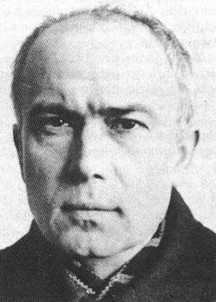
1941년 7월 31일, 아우슈비츠 14B 감방
1941년 7월 말의 어느 더운 오후. 폴란드 아우슈비츠 강제수용소 운동장. 한 죄수가 탈출한 후 — 그 대신 같은 막사의 10명을 죽음의 감방에 가두는 처벌. 친위대 대장 카를 프리치가 손가락으로 10명을 지목했다.
지목된 10명 중 한 명 — 프란치셰크 가요프니체크 — 가 큰 소리로 절규했다. “내 아내! 내 자식들! 내 가족!”
그 순간 대열 뒤에서 한 사람이 손을 들었다. 안경을 낀 야윈 폴란드 사제. 47세. 신부복은 이미 벗겨졌고 수용소 줄무늬 죄수복을 입고 있었다. 그가 친위대 앞에 천천히 걸어 나왔다.
“내가 그를 대신하겠소. 나는 가톨릭 사제이며, 가족이 없소.”
친위대 대장은 놀라서 잠시 멈췄으나 — 결국 허락했다. 프란치셰크 가요프니체크는 줄에서 빠졌다. 그 자리에 막시밀리아노 콜베가 들어갔다. 그 순간 그는 죽음의 감방으로 들어가는 길을 자기 발로 걸어 들어갔다.
첫 만남 — 두 개의 왕관
11살의 어린 라이몬도 콜베는 환시를 보았다. 성모께서 두 개의 왕관을 들고 그에게 나타나셨다 — 하나는 흰색 (순결의 왕관), 하나는 붉은색 (순교의 왕관).
“너는 어느 것을 받겠느냐?”
라이몬도는 둘 다를 받았다고 자전에 적었다. 그 어린 결단이 — 45년 후의 아우슈비츠에서 그 두 왕관을 현실로 만들어 냈다.
*Militia Immaculatae* — 거룩한 군대
1907년 13살에 프란치스코회 작은형제회 수도자가 되기로 결단. 1910년 수도 서원 — 막시밀리아노 마리아라는 수도명. 1914년 로마 그레고리오 대학에서 철학과 신학을 마치고 — 1918년 사제 서품.
1917년 로마에서 그는 프리메이슨 단체의 반교회 시위를 본 후 — Militia Immaculatae (무염시태의 군대)를 창설. 마리아의 군병들이 기도와 봉헌으로 세상에 그리스도를 다시 가져온다는 단체. 이는 후에 200만 명 이상의 회원을 가진 국제 운동이 되었다.
1922년 폴란드에 Niepokalanów (무염시태의 도시) — 세계 최대의 가톨릭 출판 수도원을 설립. 800명의 수도자, 주간지·일간지·라디오 방송국까지 운영. 1930-36년 일본 나가사키에 자매 수도원 Mugenzai no Sono도 설립.
1939년 9월 — 폴란드 침공
1939년 9월 1일 나치 독일이 폴란드 침공. 한 달 후 Niepokalanów가 나치 비밀경찰의 표적이 되었다. 1941년 2월 17일 — 막시밀리아노가 체포되었다. 폴란드 지하 저항군을 숨겨준 혐의. 5월 28일 아우슈비츠 강제수용소로 이송. 죄수번호 16670.
수용소에서 그는 비밀 사목을 이어갔다. 고해성사를 바위 뒤에서 베풀고, 작은 빵 조각을 가난한 동료에게 나눠주고, 밤마다 묵주기도를 인도했다. 다른 죄수들은 그를 “성인 신부”라 불렀다.
1941년 7월 마지막 주
7월 말 한 죄수의 탈출. 친위대장의 보복 — 같은 막사 10명 처형. 지하 14호 막사 — 굶주림 감방. 굶주려 죽는 공포의 형.
7월 31일 그 결단의 순간. 막시밀리아노가 가요프니체크 대신 자청했다. 시인과 신부의 결단 한 순간이 — 20세기 가톨릭의 가장 큰 순교 이야기 한 페이지를 썼다.
14B 감방의 2주
10명이 물도 음식도 없는 감방에 들어갔다. 보통 3-4일 안에 죽었다. 막시밀리아노가 그 감방의 영적 지도자가 되었다. 그가 기도를 인도했고, 죽어가는 동료들에게 마지막 도유를 비밀히 베풀었다. 굶주린 채로도 찬송가가 들렸다. 감방을 지키던 친위대 부하 보흐달로프스키가 후에 증언했다 — “이 사람들은 죽음을 두려워하지 않았다. 그들은 살아 있는 동안 천국을 노래하고 있었다.”
2주 후 — 8월 14일 — 4명만 남았다. 막시밀리아노가 그 중 한 명. 친위대는 더 빠른 마무리를 위해 페놀 주사를 결정. 의무관이 각자의 팔에 페놀을 주입. 막시밀리아노는 팔을 스스로 내밀었다. 47세. 8월 14일 — 가톨릭 성모 승천 대축일 전날*에 그의 영혼이 천국으로 갔다.
시성 — 1982년, 요한 바오로 2세 교황
막시밀리아노 콜베는 1971년 10월 17일 바오로 6세 교황에 의해 시복되었고, 1982년 10월 10일, 요한 바오로 2세 교황에 의해 시성되었다. 시성식에는 — 살아남은 프란치셰크 가요프니체크 본인이 바티칸 광장 앞줄에 서서 참석했다. 1995년 그가 93세에 사망할 때까지 그는 매년 8월 14일을 자신의 두 번째 생일로 지냈다.
축일은 8월 14일. 언론인·죄수·약물 중독자·전쟁 포로의 주보 성인이다.
그가 찾아간 하느님의 뜻
11살의 라이몬도가 본 두 개의 왕관 — 흰색과 붉은색 — 은 45년 후 아우슈비츠의 감방에서 동시에 그의 머리에 씌워졌다. 순결을 끝까지 지킨 한 수도자가 낯선 한 사람의 목숨을 위해 자기 목숨을 내어 줄 때 — 그것이 그리스도가 십자가에서 한 것의 그림자다.
그의 일생은 한 줄로 이렇게 요약된다 — *수용소의 어둠 한가운데서 그리스도의 십자가의 사랑을 내 옆 사람을 위한 한 발자국으로 번역해 낸 사제.*
시대의 한 폭 — 20세기 폴란드 가톨릭과 아우슈비츠
막시밀리아노 콜베(1894~1941)가 1941년 8월 14일 — 아우슈비츠 — 굶주림 감방 — 에서 — 다른 사람 대신 — 죽음을 자청하고 — 굶어 죽은 일은 — 20세기 — 가톨릭 순교의 — 가장 큰 한 자리가 되었다. 그가 살았던 20세기 전반 폴란드는 — 123년간(1795~1918) — 러시아·프로이센·오스트리아 — 의 — 3국에 — 분할 통치 — 된 — 후 — 1918년 — 마침내 — 독립했다. 그 — 짧은 21년의 — 자유 — 후 — 1939년 9월 1일 — 나치 독일과 — 소련의 — 동시 침공으로 — 폴란드는 — 다시 — 두 — 점령 — 권력 — 사이에 — 갈갈이 — 찢어졌다. 나치 독일 — 점령 5년 동안 — 폴란드 인구 — 약 3,500만 명 가운데 — 600만 명 — 17% — 이 — 살해되었다 — 그 가운데 — 폴란드 — 유대인 300만 명이 — 대부분 — 1942~1944년 — 아우슈비츠·트레블링카·소비부르·마이다네크·헤움노 — 의 — 죽음의 수용소에서 — 가스실로 — 살해되었다. 나머지 300만 명 — 폴란드 비유대인 가운데 — 약 300만 — 명도 — 민족 말살 정책 — 강제 노동·강제 이주·처형 — 으로 — 죽었다. 그 가운데 — 폴란드 가톨릭 사제 — 약 3,000명 — 약 20% — 가 — 살해 — 되었고, 그 시대 — 다른 어떤 국가의 — 사제 살해율보다 — 압도적으로 — 높았다. 콜베의 죽음 한 자리는 — 그 — 600만 명의 — 한 작은 표지이며 — 동시에 — 한 가톨릭 신부가 — 한 유대인 — 한 사람 — 의 — 자리에 — 자기 목숨을 — 대신 놓은 — 가장 극명한 자리다. 그가 대신 죽어 살아난 — 폴란드 군인 — 프란치셰크 가요브니체크(Franciszek Gajowniczek) — 는 — 53년을 더 살아 — 1995년 — 95세로 — 죽었다. 한 사람의 죽음 — 으로 — 한 사람이 — 53년을 — 더 살았다.
묵상
오늘 우리 가운데 누군가 14B 감방에 들어가야 한다면 — 나는 그를 대신해 손을 들 수 있을까. 그 가능성은 대단한 순간의 영웅이 갑자기 만들어지는 것이 아니다. 매일의 작은 결단들이 그 순간에 한 손을 든 손을 준비시킨다. 오늘 내 옆의 가요프니체크는 누구인가.
St. Maximilian Mary Kolbe
Sanctus Maximilianus Maria Kolbe* · 1894–1941 · Polish Franciscan priest · Martyr of Auschwitz · The Martyr of Charity
31 July 1941, Auschwitz, Block 14
A hot afternoon in late July 1941. The roll-call yard of the Auschwitz concentration camp in Poland. A prisoner had escaped; the SS retaliated by condemning ten men of the same barracks to the starvation bunker. The deputy commandant, Karl Fritzsch, pointed his finger at ten.
One of the ten — Franciszek Gajowniczek — let out a cry. “My wife! My children! My family!”
In that moment, from behind in the line, a man raised his hand. A gaunt Polish priest with eyeglasses. Forty-seven. The cassock had long been stripped away; he wore the striped uniform of the camp. He walked slowly forward to the SS.
“Let me take his place. I am a Catholic priest. I have no family.”
The commandant paused, startled — and finally consented. Franciszek Gajowniczek was returned to the line. In his place — Maximilian Kolbe. In that single instant he walked, on his own feet, into the bunker of death.
The Beginning — Two Crowns
At eleven, the boy Raymond Kolbe saw a vision. The Mother of God appeared to him holding two crowns — one white (purity), one red (martyrdom).
“Which will you take?”
In his autobiography, Raymond writes that he chose both. That childhood decision would, forty-five years later, at Auschwitz, become fact.
*Militia Immaculatae* — A Holy Militia
In 1907, at thirteen, he became a Franciscan friar (Order of Friars Minor Conventual). In 1910 he made his religious vows under the name Maximilian Mary. In 1914 he finished his philosophy and theology at the Gregorian University in Rome, and was ordained in 1918.
In 1917 in Rome, after seeing an anti-Church demonstration by Freemasons, he founded Militia Immaculatae (the Army of the Immaculate) — a movement of “soldiers of Mary” who, by prayer and consecration, would bring Christ back to the world. In time it would gather more than two million members worldwide.
In 1922 he founded Niepokalanów — the City of the Immaculate — in Poland: the largest Catholic publishing monastery in the world. Eight hundred friars; a weekly newspaper, a daily, even a radio station. Between 1930 and 1936 he founded a sister monastery, Mugenzai no Sono, in Nagasaki, Japan.
September 1939 — The Invasion
On 1 September 1939, Nazi Germany invaded Poland. Within a month Niepokalanów became a target of the Gestapo. On 17 February 1941 Maximilian was arrested, charged with sheltering members of the Polish underground. On 28 May he was transferred to Auschwitz. Prisoner number 16670.
In the camp he continued secret ministry. He heard confessions behind a rock, broke small pieces of bread for poorer prisoners, led the Rosary at night. The others called him “the saint priest.”
The Last Week of July 1941
The escape of one prisoner. The SS’s revenge — ten men of the same barracks were to be executed in the underground starvation bunker of Block 14, a place of horror.
It was on 31 July, in that moment, that Maximilian volunteered in place of Gajowniczek. A poet’s and priest’s decision in one instant wrote one of the great pages of twentieth-century Catholic martyrdom.
Two Weeks in Cell 14B
Ten men entered the cell without water or food. Most died in three or four days. Maximilian became the spiritual leader of the cell. He led prayer; he gave the dying their last anointing in secret. Hymns could be heard from the bunker even on starvation. The SS guard Bohdaloff later testified: “These men were not afraid of death. They were singing of heaven while still alive.”
Two weeks later, on 14 August, only four were still living — Maximilian among them. The SS chose to finish them more quickly with an injection of carbolic acid. As the medic injected each in the arm, Maximilian held out his own arm. Forty-seven years old. On 14 August, the eve of the Solemnity of the Assumption, his soul went to heaven.
Canonization — 1982, Pope John Paul II
Maximilian Kolbe was beatified by Pope Paul VI on 17 October 1971 and canonized by Pope John Paul II on 10 October 1982. At the canonization, the survivor Franciszek Gajowniczek himself stood in the front row of St. Peter’s Square. Until his death at ninety-three in 1995, Gajowniczek observed 14 August as his second birthday.
His feast is 14 August. He is patron of journalists, prisoners, drug addicts, and prisoners of war.
The Will of God He Sought
The two crowns that the eleven-year-old Raymond had seen — white and red — were placed on his head together, forty-five years later in the cell at Auschwitz. When a religious who has kept purity to the end gives his life for a stranger — that is the shadow of what Christ did on the cross.
His life is one sentence: *a priest who, in the deepest darkness of a camp, translated the love of Christ on the cross into one step taken for the person next to him.*
A Snapshot of the Age — Polish Catholicism and Auschwitz
Maximilian Kolbe (1894–1941) — on 14 August 1941 in Auschwitz, volunteering to die in the starvation bunker in another man’s place — and starving to death — gave the twentieth century one of the largest seats of Catholic martyrdom. The first half of the twentieth century in Poland — partitioned among Russia, Prussia, and Austria for 123 years (1795–1918) and only just independent in 1918 — enjoyed a bare 21 years of freedom before, on 1 September 1939, simultaneous Nazi and Soviet invasion tore Poland between two occupations. In five years of Nazi occupation, of about 35 million Poles, 6 million — 17% — were killed — 3 million of those Polish Jews who were mostly murdered between 1942 and 1944 in the gas chambers of Auschwitz, Treblinka, Sobibór, Majdanek, and Chełmno. Of the remaining 3 million non-Jewish Poles, around 3 million more died under the genocidal policy — forced labor, deportation, mass execution. Among them some 3,000 Polish Catholic priests — about 20% — were killed, the highest priest-killing rate of any nation of the age. Kolbe’s death is one small marker in those six million, and at the same time the starkest scene of a Catholic priest laying down his own life in place of one Jewish man. The Polish soldier whose life he saved — Franciszek Gajowniczek — lived 53 more years until his death at 95 in 1995. Because one man died, another man lived 53 years more.
Meditation
If today someone beside us were to be taken into Cell 14B — could I raise my hand in his place? That possibility is not the sudden heroism of a great moment. The small daily decisions prepare the hand that is raised in that moment. Who, today, is the Gajowniczek beside me?